Send us a WhatsApp and tell us what’s going on
Tell us what’s wrong with your pet and, if you can, send us a photo or video. The more we know, the better we can guide you.
We reply in under 1 hour during opening hours
When you vaccinate, you’re not only looking after their health, you’re preventing scares and unnecessary hospital stays, for them and for your wallet.
For puppies and kittens as well as adults, we have a vaccination schedule to prevent the diseases with the most serious complications.
At the first appointment, we’ll explain what each vaccine is and what it prevents, so you know first-hand how protected your pet is.
You won’t need to keep track of dates: we’ll let you know when the next vaccine is due.
mortality in puppies with parvovirus
mortality from feline panleukopenia in unvaccinated cats
Data source: [citation pending]
Avoiding disease is the easy answer, but it also means the peace of mind of taking them anywhere without worrying.
With yearly boosters. Not vaccinating carries the risk of a fine, as well as a real health risk.
In parks, on walks and anywhere other dogs gather, a puppy without a complete course is exposed every time it goes out.
The kennel cough vaccine reduces the risk of infection in shared spaces.
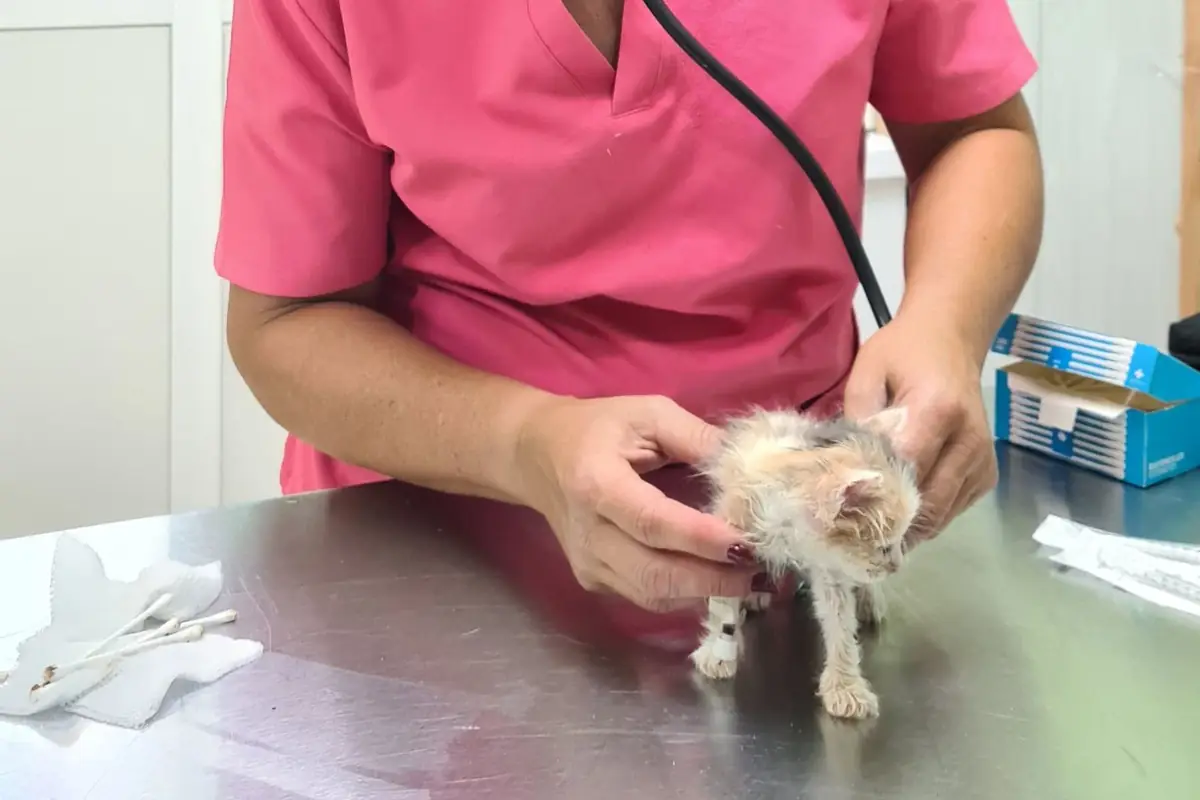
Feline panleukopenia survives on surfaces, clothing and shoes: it can reach your home without your cat ever setting foot outside.
The feline leukaemia (FeLV) vaccine reduces the risk of a disease that spreads through prolonged contact and has no cure.
Your cat will need the rabies vaccine 21 days before the flight, so it’s easier to keep it up to date than to rush it before a trip.
First dose of the puppy or kitten course.
The dose is repeated until the course is complete.
Course complete, usually at around 16 weeks of age.
Core vaccines every [3 years / according to clinic protocol — to be confirmed]. Rabies, yearly.
We follow the WSAVA guidelines (World Small Animal Veterinary Association): we only keep yearly boosters where science or the law requires them.
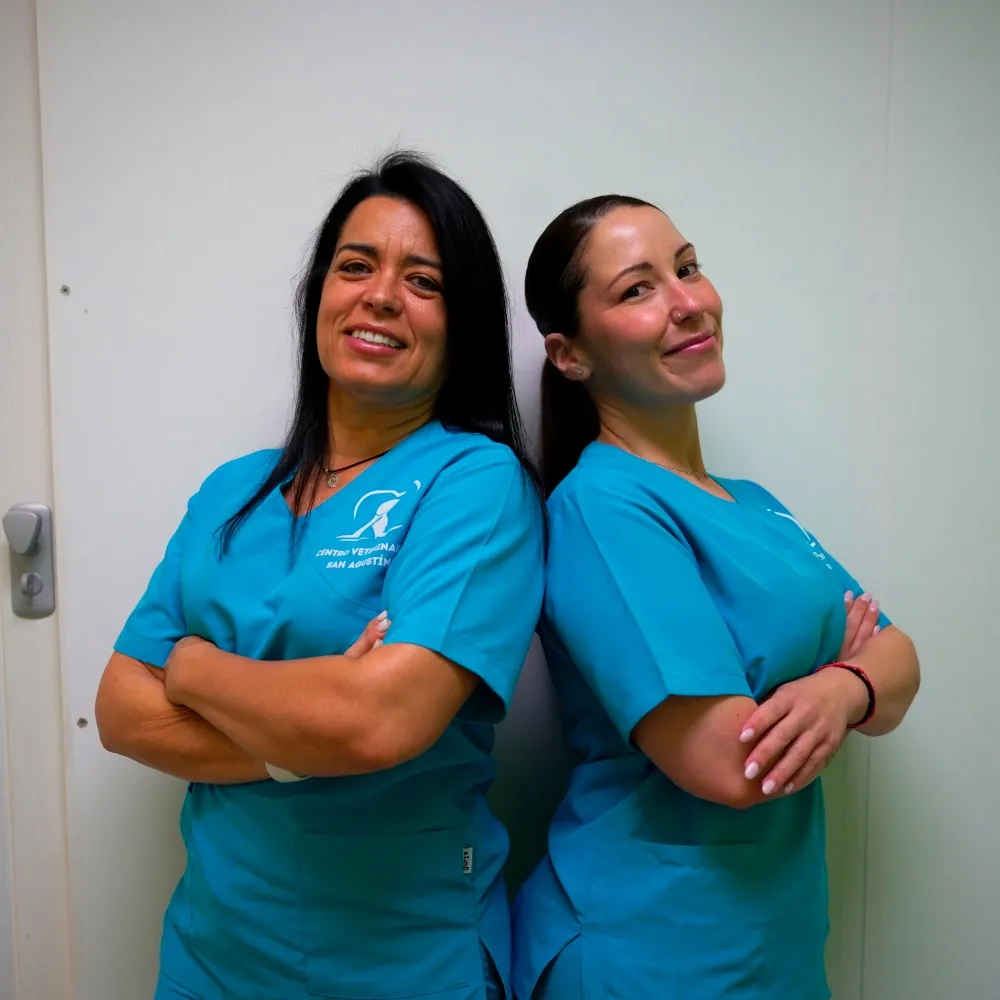
In Gran Canaria, there are fewer and fewer veterinary clinics that aren’t controlled by investment funds.
Veterinary medicine should be based on what your pet needs… not on sales targets.
We’ve known this for more than 25 years.
No endless forms, no waiting. You message us, we advise you, and you only come in if it’s really needed.
Tell us what’s wrong with your pet and, if you can, send us a photo or video. The more we know, the better we can guide you.
We reply in under 1 hour during opening hoursWe assess your pet’s situation and tell you about their vaccination schedule.
Honest: we don’t recommend what isn’t neededIf needed, we set a day and time. We see your pet calmly and give them the time they deserve, without rushing or unnecessary waiting.
By appointment, so we can give them all the time they need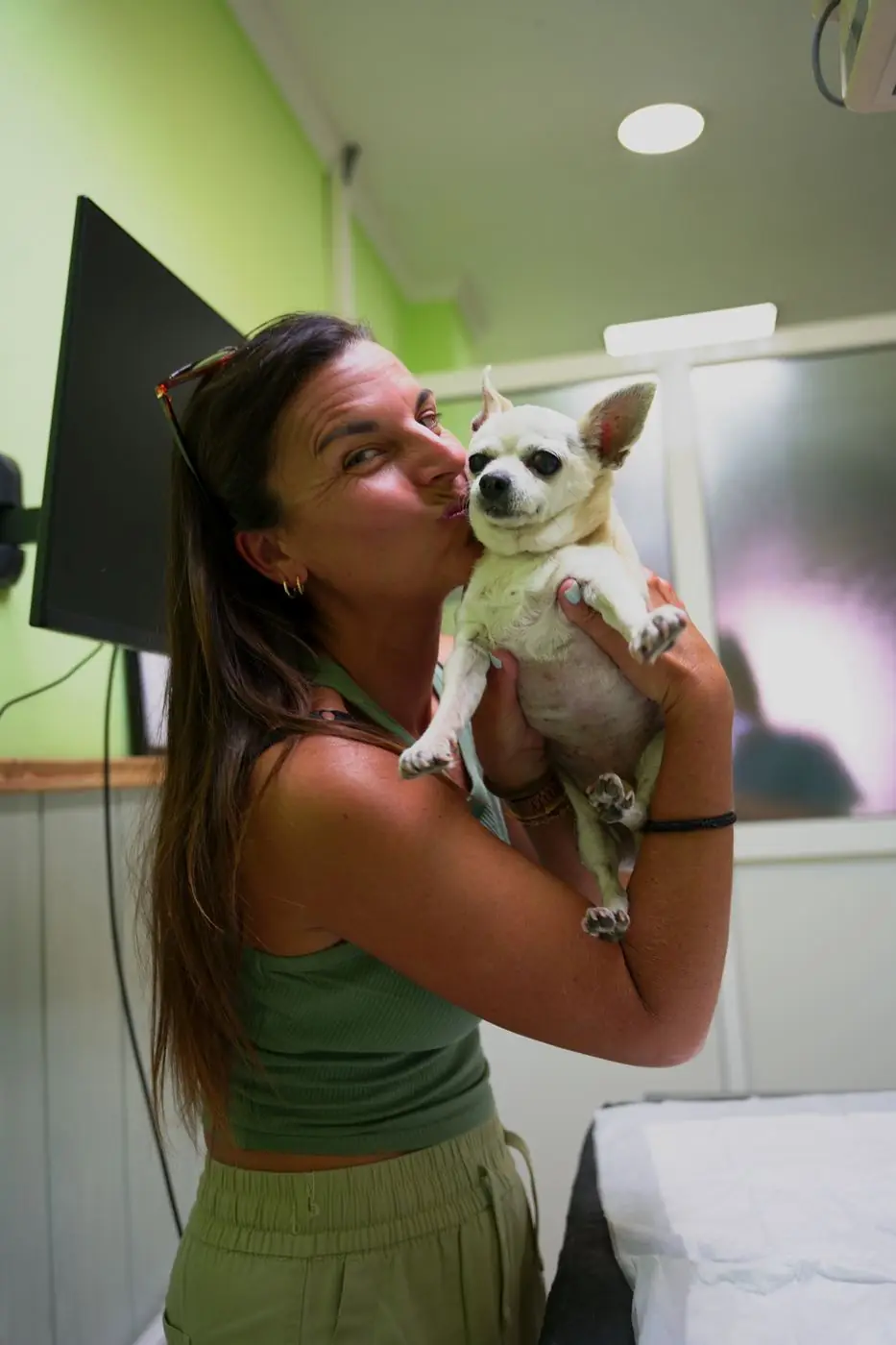
«Al ser un equipo de dos, la atención es increíblemente personalizada, cercana y familiar; conocen a mis animales a la perfección y ellos entran sin miedo.»
«Katy y Sarai han cuidado de mis niñas perrunas con mucho amor. Sobre todo de Ivy, que ya va de visita tranquila y sin temblar.»
«La atención es muy profesional, atenta y cariñosa con los michis. Tiene consideración especial con los gatitos recogidos. ¡Ayuda mucho!»
«Muchas gracias chicas por siempre atender a nuestra Beagle de forma excepcional, profesional y cariñosa.»
«Best veterinarian I have ever met! Highly recommended. Always professional but with a big heart.»
«Veterinaria con mucha formación, cariñosa con las mascotas y excelente relación calidad-precio. Un 10.»
Can’t find your question? Message us and we’ll reply in under 1 hour during opening hours.
It’s normal for your pet to be a little quieter or eat less for the first 24–48 hours, and there may be slight swelling at the injection site. These are mild, expected reactions.
Severe reactions (facial swelling, repeated vomiting, difficulty breathing) are rare, but if they appear you should come back to the clinic immediately, usually within the first hour after the vaccine.
No. We follow the WSAVA guidelines (World Small Animal Veterinary Association): core vaccines in healthy adults are boosted [every 3 years / according to clinic protocol — to be confirmed], not every year by default.
We only keep yearly boosters where science or the law requires them (rabies, and some non-core vaccines with a shorter duration of immunity).
No. Today’s vaccines do not contain live pathogens capable of causing the disease.
The mild discomfort of the first 24–48 h is the immune system’s normal response as it builds defences, not the disease itself.
Between 6 and 9 weeks of age, with the first dose.
From then on it’s repeated every 3–4 weeks until the course is complete, usually at around 16 weeks.