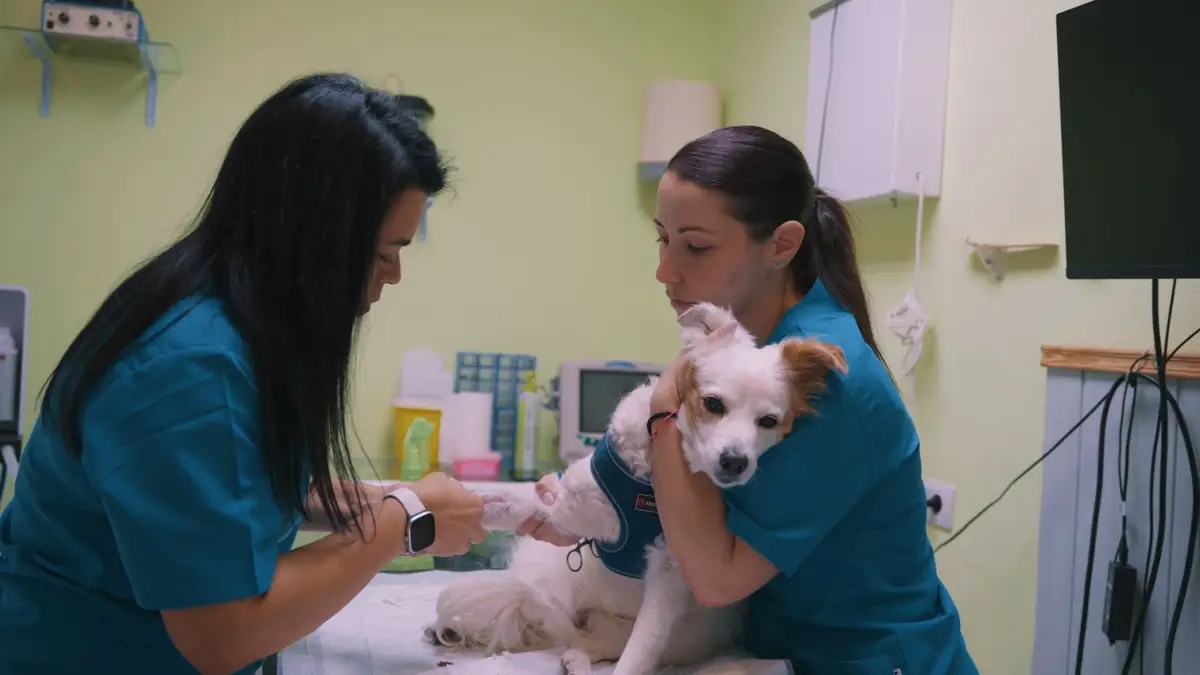
«Al ser un equipo de dos, la atención es increíblemente personalizada, cercana y familiar; conocen a mis animales a la perfección y ellos entran sin miedo.»
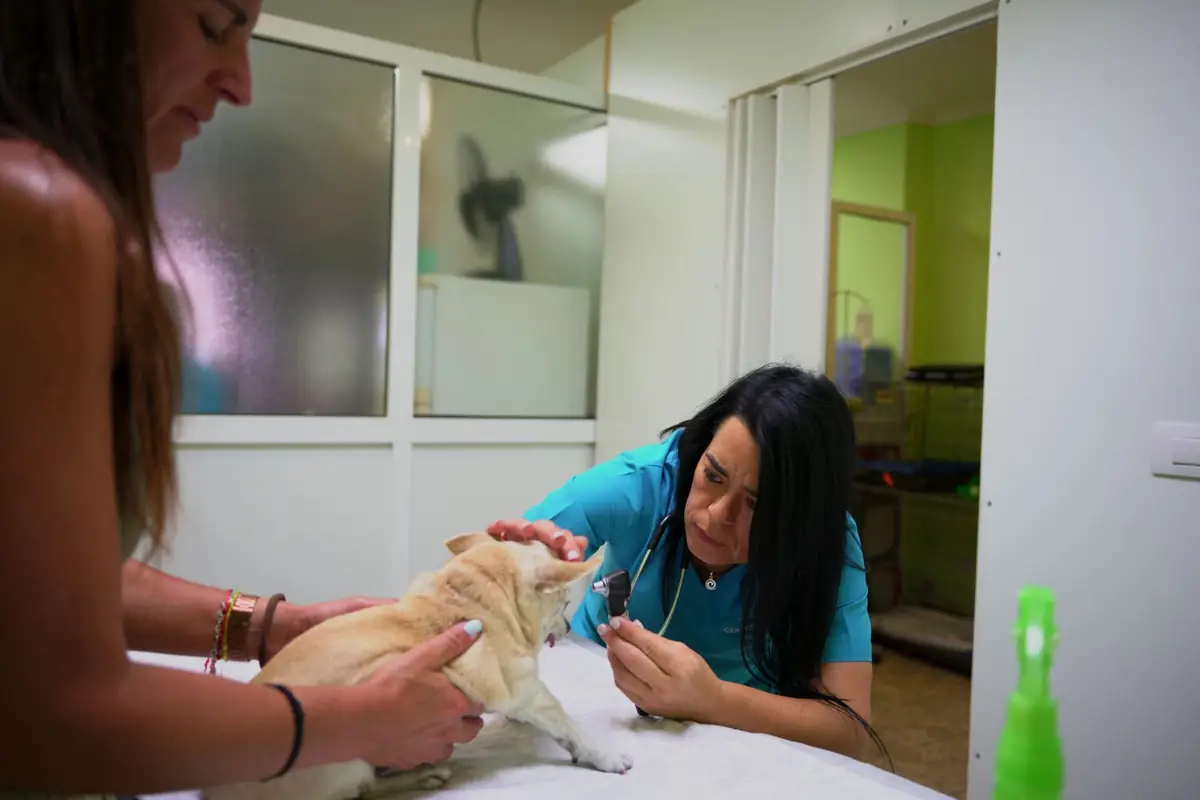
Veterinary dentist in Gran Canaria You can say you have toothache. Your pet can’t.
Very few people look after their pet’s oral health the way they look after their own. If you suspect something isn’t right in their mouth, ask us, with no obligation.
- Open now
- 25+ years caring for pets
- Independent, no investment funds
- Mon–Fri continuous opening hours
- 1 h free parking
Why care for their oral health
Unlike us, it isn’t about having a nice smile.
Cosmetic treatments aren’t common in animals and, because the problem isn’t visible, we tend to give it less importance than it deserves.
Yet advanced oral disease will not only make them live in pain, it will affect the rest of their life if they lose a tooth.
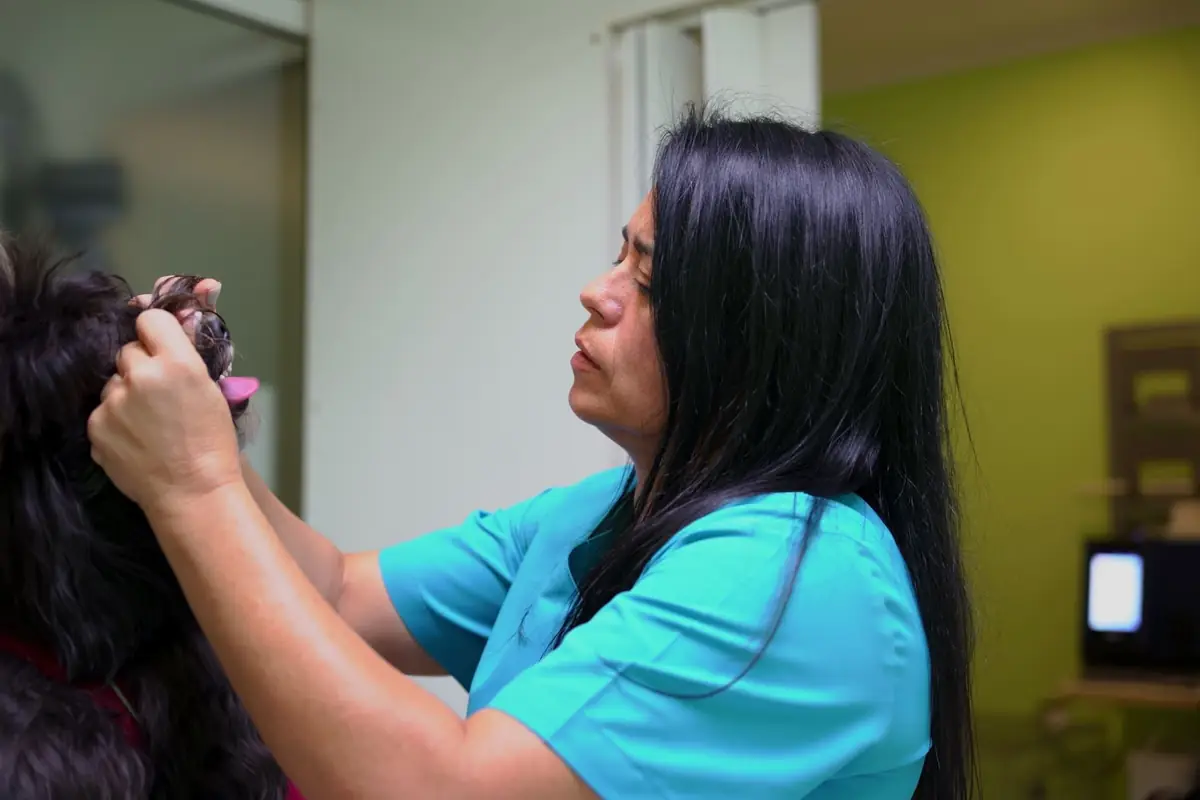
+80%
of dogs and cats have some degree of periodontal disease by the age of 3
Source: [citation pending]
Signs
How to tell something is wrong in your pet’s mouth.
They can’t tell you, but here are the signs to help you spot it. Tick the ones you’ve noticed.
Obvious signs At a glance
Subtle signs In their behaviour
No signs ticked
If you suspect something isn’t right in your pet’s mouth, ask us, with no obligation.
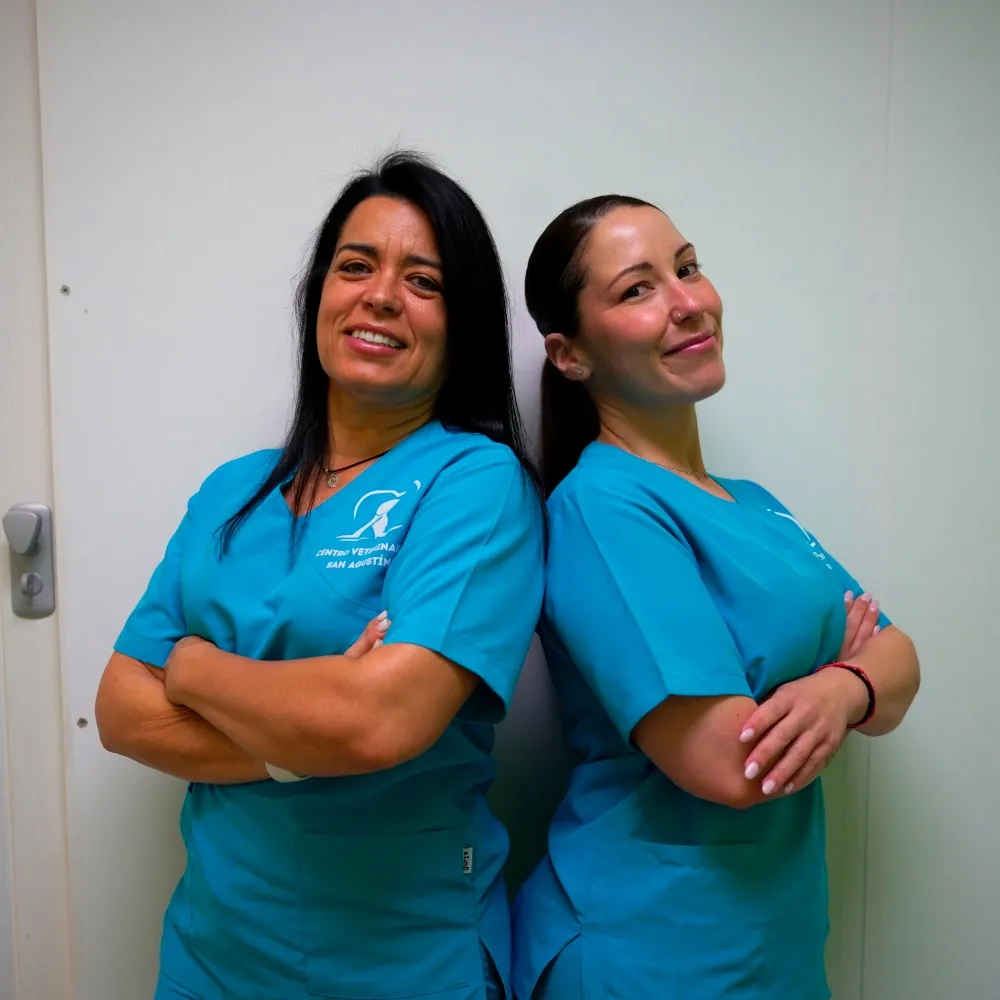
Here, nobody will recommend anything your pet doesn’t need.
In Gran Canaria, there are fewer and fewer veterinary clinics that aren’t controlled by investment funds.
Veterinary medicine should be based on what your pet needs… not on sales targets.
We’ve known this for more than 25 years.
Reviews
They can’t talk… but their owners can tell you how it went.
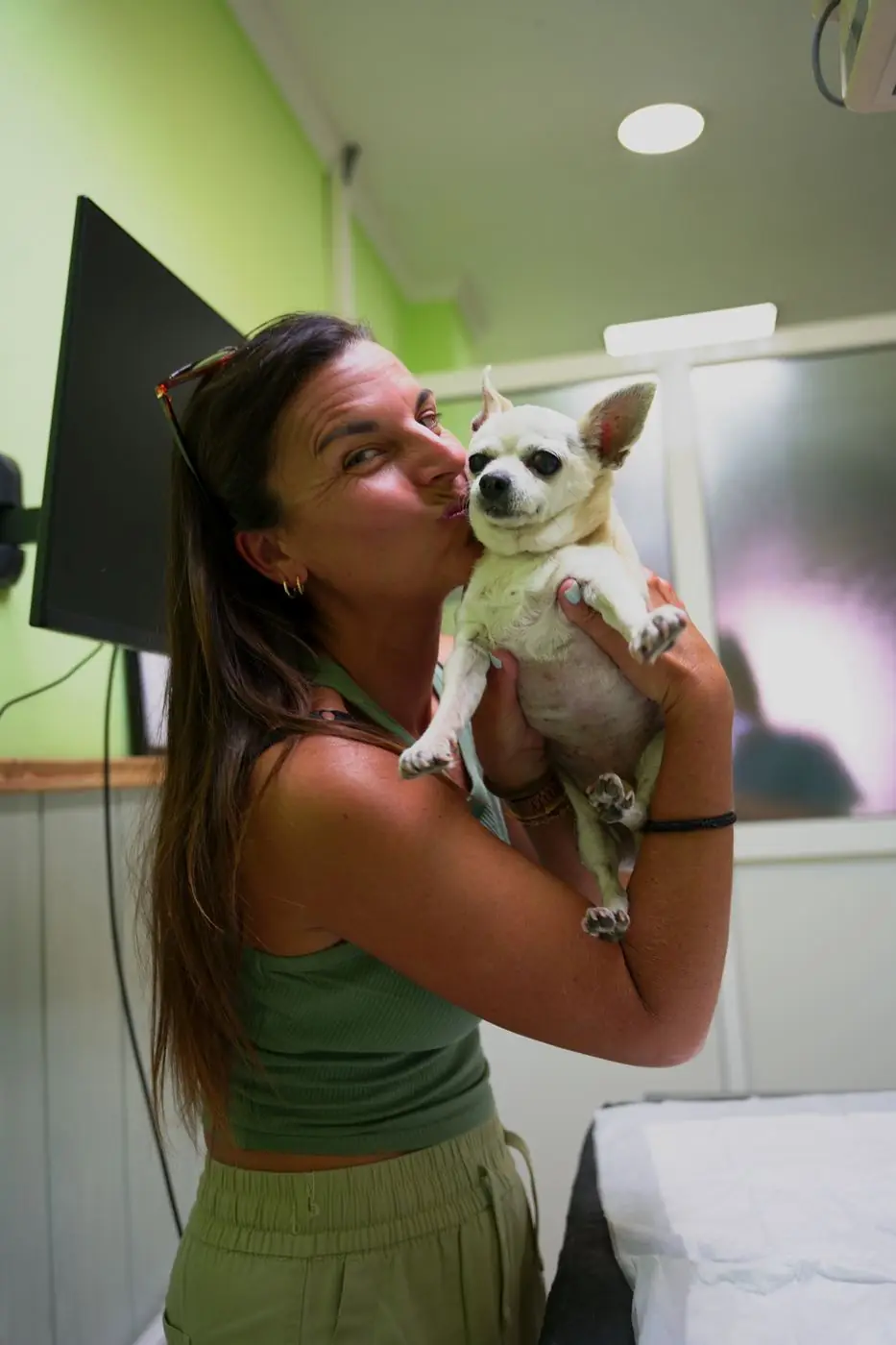
«Katy y Sarai han cuidado de mis niñas perrunas con mucho amor. Sobre todo de Ivy, que ya va de visita tranquila y sin temblar.»
«La atención es muy profesional, atenta y cariñosa con los michis. Tiene consideración especial con los gatitos recogidos. ¡Ayuda mucho!»
«Muchas gracias chicas por siempre atender a nuestra Beagle de forma excepcional, profesional y cariñosa.»
«Best veterinarian I have ever met! Highly recommended. Always professional but with a big heart.»
«Veterinaria con mucha formación, cariñosa con las mascotas y excelente relación calidad-precio. Un 10.»
FAQ
FAQ about veterinary dentistry in Gran Canaria
Can’t find your question? Message us and we’ll reply in under 1 hour during opening hours.
If my pet eats well, can it have a dental problem?
Yes, in fact it’s common: eating normally isn’t a reliable indicator of oral health.
Animals, like humans, adapt the way they chew to avoid pain. If your pet stops eating, the problem has been there for a long time.
From what age should my pet’s mouth be checked?
Cats and small-breed dogs should have dental check-ups from around their first year. Large-breed dogs, from about two years.
Is anaesthesia necessary for a dental clean?
Yes, it is. A deep clean that tackles periodontal disease means cleaning below the gum line, taking X-rays and keeping your pet completely still.
None of that would be possible if they were awake.
What happens if I don’t treat my pet’s periodontal disease?
It progresses like any other disease, even leading to loss of bone and of the tooth itself, with chronic pain along the way.
The sooner it’s detected, the more conservative the treatment.
Other services
See all services